

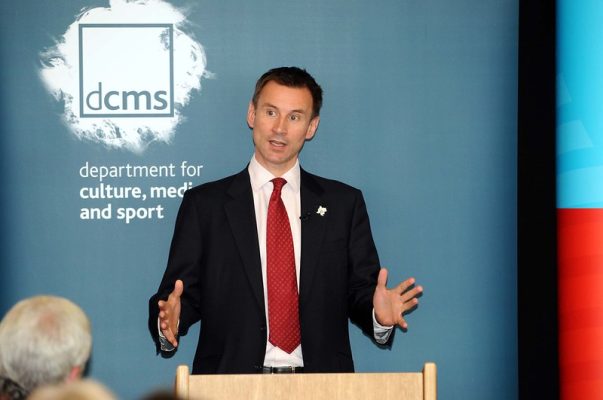
Chancellor Jeremy Hunt revealed government’s tax and spending plans which was announced in what the chancellor called the “Autumn Statement for growth”.
Hunt increases state pension by 8.5% as well as a triple lock pension guarantee.
Pensions will increase to match average earnings meaning payments will be made every four weeks by the government to people who have reached the qualifying age and if they have paid enough national insurance contribution.
Bristol Older People’s Forum (BOPF) Engagement and Development Manager Ian Quaife speaks about if this is truly helpful.
Mr Quaife said: “Thank you for the triple lock, its good that its protecting it that way but absolutely no in terms of it compensating for the rise of cost of living rises, particularly in energy costs, food costs, rental costs, mortgage costs, absolutely not going to cover any of those things.”
“It is a struggle, and I don’t think people are coping, and I don’t think this rise will make that much difference.”
Mr Quaife addresses living on £11,000 per year saying, “If you’re on the full state pension, you’re on just over 10, nearly £11,000 a year. Who can live on £11,000 a year?”
Mr. Quaife’s response to Universal Credit making the full rate of a new state pension planning to become over £11,500 a year.
An outstanding Autumn Statement from Chancellor @jeremy_hunt.
— Mel Stride (@MelJStride) November 23, 2023
Here are the highlights for @DWPgovuk as we take forward the next generation of welfare reforms. pic.twitter.com/YaOeq8Y5nl
Mr. Quaife feels passionate about, “dispelling the myth of all older people living comfortably”.
Saying, “Boomers vs Millennials argument, culture wars argument, ‘oh, oh all the old people they got everything…all their mortgages are paid off”.
However this isn’t the case according to Mr. Quaife who says, “again that can be challenged”.
Perhaps the media is to blame for perpetuating the stereotype that older people have money.
Mr. Quaife thinks that, “through media and through advertising you see very comfortable looking white middle class heterosexual people on telly, you know, buying their cremation plana and buying their commemorative gold coins…but in reality you don’t see the kind of real struggle that lots of people are going through”.
Finally touching on what he thinks the Bristol City Council can do for the older people living in Bristol, Mr. Quaife says, “The city council have a role, but their role has been diluted I think, because of austerity cuts, exacerbated by COVID and cost of living”.
Offering a solution, “what we can do from our side of things, Bristol Older People’s Forum, is to keep pushing and putting pressure on, not just the city council but the regional council as well”.