

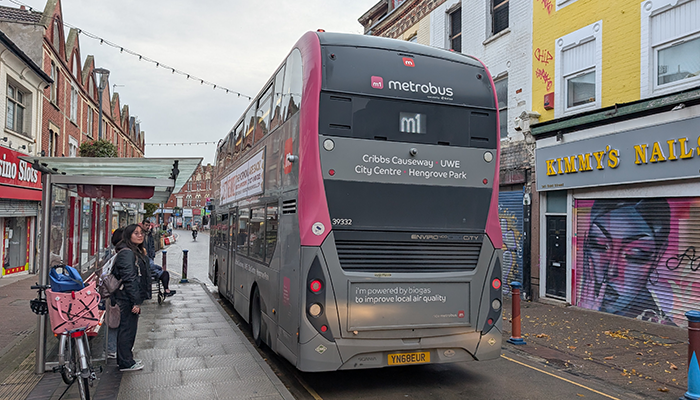
Bristol and the West of England may finally franchise their bus system thanks to a new law passed this week.
The 2025 Bus Services Bill streamlines the franchising process, and empowers authorities to create municipal bus companies and regulate private bus networks.
Before 1985, buses in the UK were largely run by local authorities, but Margaret Thatcher’s Conservative government deregulated and privatised these services outside of London.
A 2017 law outright banned councils from starting municipal bus companies but also gave combined authorities in England the ability to franchise.
The recently passed law also widened the franchise opportunities to local authorities, such of the City of Bristol.
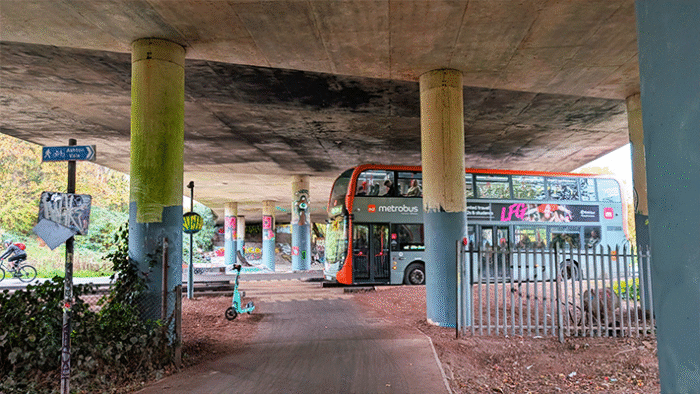
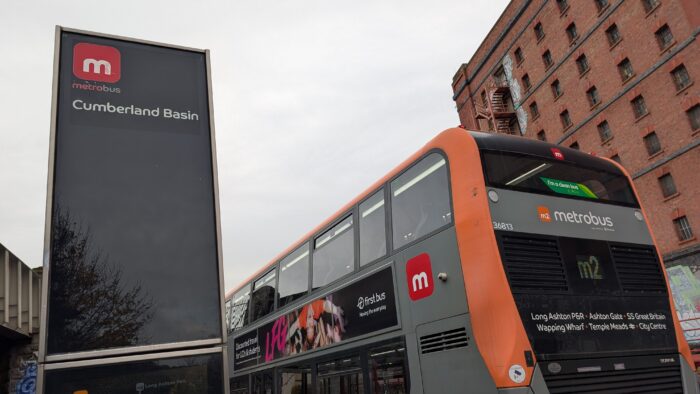
Currently Bristol and the West of England’s buses – operated by FirstBus – run under an “Enhanced Partnership”.
“We have this split where companies run the actual buses, but the infrastructure that the buses need, like the roads, the bus stops, the information boards, all of that stuff, is the responsibility of the local government,” says Emilia Melville – coordinator of the West of England Shared Transport and Active Travel (WESTACT) civic activism organisation.
In theory that partnership is an agreement between local authorities and the bus companies but bus companies are not actually bound by them in the long-term, according to Melville.
“The benefit of franchising is that the local authorities then have the power to enforce it, but with the Enhanced Partnership the companies can do it for a while but ultimately can stop doing their side of the deal,” such as maintaining routes or schedules, Melville says.
Local officials say the new law is an important move.
With franchising, “Everything from routes, fares, schedules and service standards would be in the control of democratically elected representatives, and not at the whim of private bus companies that prioritise profits,” says Liberal Democrat Councillor Nicholas Coombes.
The West of England Combined Authority (WECA) runs the transport authority that receives and manages the government funds used in Bristol, and Mayor Helen Goldwin says updated grant totals will be released to them soon.
“It is good to see that bus reform is being enabled by central government after the 40-year failure of privatisation and expecting the private sector to run public transport on a profit-making basis,” says Bristol Green Party Councillor Ed Plowden.
“We need to take back control of our buses and I hope to work with the WECA mayor to do so,” Cllr Plowden says.
In theory WECA could have franchised sooner, but Melville believes they were waiting for the government to streamline the process with this bill.
“The process under this new legislation is likely to be cheaper and more straightforward, but we think they should have started the process of in-depth investigation some time ago so they would be ready to press go when this new legislation comes in, and as far as we’re aware they haven’t been doing that.”
Melville thinks there’s a chance WECA will one day bring in a publicly owned bus system.
The 2025 Bus Service Bill also limits the cancellation of socially important bus routes, and promises to improve safety for both riders and drivers.