


This week, the Bristol Exterminator has begun offering tours of rat-heavy environments in Bristol, aiming to change the public perception.
The Bristol Exterminator, who calls himself ‘Ratman’, said that one of the key purposes of the tours is for people to “experience urban rats in their natural environment while simultaneously learning about some of their fascinating unexplored aspects.”
Starting the tours in Turbo Island, Ratman intended to change the beliefs that people have about rats, especially fear.
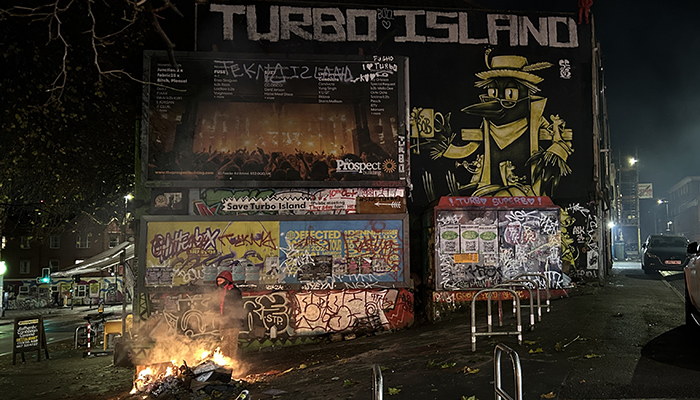
Ratman claimed that he conducts these tours in Bristol, as “It’s a hotbed for new beginnings and starting things. There’s a lot of local support. I can’t imagine these tours being as successful in London. People here are good at supporting new things, and people are interested.”
The tours have been criticised by business owners, claiming that having rats causes many problems, and potentially puts their businesses at risk.
“I find it quite interesting, the fact that people are considering rats a normal thing for the environment. As a business owner, having rats, it means having costs.” says Mario Mallardo, general manager at the Hole in the Wall pub in Queen Square.

Trying to show the impact that rats have had in history, Ratman focused on the role of rat catchers in the Victorian era, and pest control in the First World War trenches.
He guided the tour through the Bristol city centre, highlighting the areas in which rats typically congregate, encouraging people to feed them and treat them like normal parts of the environment.
The organiser stated that a goal of these tours was to “try and change people’s perception on rats, and ourselves as well, understanding nature, understanding our place in the universe to live more in harmony with ourselves and with nature.”
One of the aspects Ratman emphasised was the toxicological profiles of rodenticides, including arsenic, and how their usage evolved through history.
Ratman said that the reason he started these tours and focus on rats was “I don’t like seeing rats scapegoated, as well. Maybe I’m just jaded from my day job. Constantly hearing people castigate rats. I’m trying to change public perception.”
He also criticised the use of modern pest control methods in the Bristol region, claiming it is very outdated and needs a new approach, believing the term ‘pest control’ to be archaic.