

The wording for a new plaque on Bristol’s Edward Colston plinth has been approved by Bristol City Council.
The Planning B Committee met on Wednesday afternoon to finalise the wording of the proposed plaque and approve it for installation.
With seven voting for the new plaque and one councillor voting against, this decision is the result of over six years of debates regarding Edward Colston’s legacy in the city.
Edward Colston has been subject to complaints in Bristol for years, with many saying that it is unfair to honour him due to his substantial role in the transatlantic slave trade.
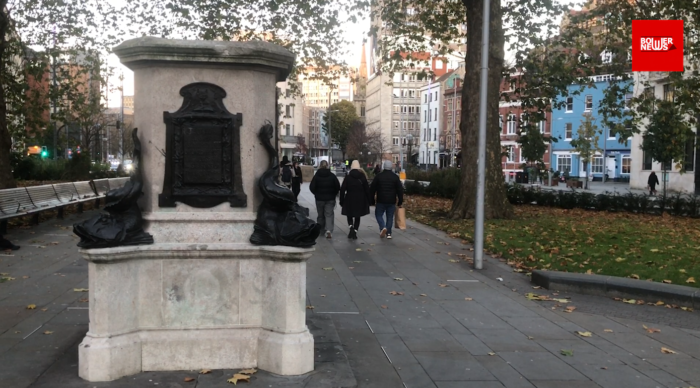
The statue of Colston, which was built in Bristol’s city centre in 1895, was toppled in June 2020. Largely in response to George Floyd protests in the US, this action became pivotal in conversations about racial inequality.
The approved wording for the new plaque will read:
“On 13th November 1895, a statue of Edward Colston (1636-1721) was unveiled here.
In the late twentieth and early twenty-first century, the celebration of Colston was increasingly challenged given his prominent role in the enslavement of African people.
On 7 June 2020, the statue was pulled down during Black Lives Matter protests and rolled into Bristol Harbour. Following consultation with the city in 2021, the statue entered the collections of Bristol City Council’s museums.”
Proposed by the Legacy Foundation, the plaque aims to retain mentions of Colston’s contributions to the city, whilst highlighting his involvement in the enslavement of over 84,000 people.
Professor and Legacy Foundation member Shawn Sobers explained that “those two realities exist at the same time. He was a benefactor to the city, but the reason he was a benefactor is because of where he got his money from, which is through transatlantic enslavement.”
Councillor Richard Eddy was vocally against the plaque’s installation, saying that it is an “utterly historical revision that is worthy of the Nazis.”
However, Green Party councillor Paula O’Rourke concluded that this wording represented “the 21st century version of what Bristolians want on this plaque.”