


Bristol’s contaminated water crisis continues as City Council motion for a new water regulator, with Bristol having the UK’s fourth dirtiest water.
A motion was made at Bristol City’s Council full meeting this week to have stronger regulations on Bristol’s water and sewage, with contamination levels now well above the legal limit according to Council figures.
This follows a £500,000 fine for Wessex Water who were deemed ‘negligent’ in protecting local rivers from sewage.
The motion was posed by Westbury-on-Trym and Henleaze Councillor, Nick Coombes. The Liberal Democrat representative stated that the sewage in the water is a ‘crisis for everyone, including the environment’.
He went on to say that more local charities had been working to improve the water quality in Bristol, which prompted his motion. ‘If they can do something to stop the sewage crisis, then we probably have the same responsibility to on the local council.’
The motion contains plans to replace Ofwat with a tougher regulator and prosecution methods. Additionally they want to increase funding to local environmental agencies which they hope will support the local water regulators.
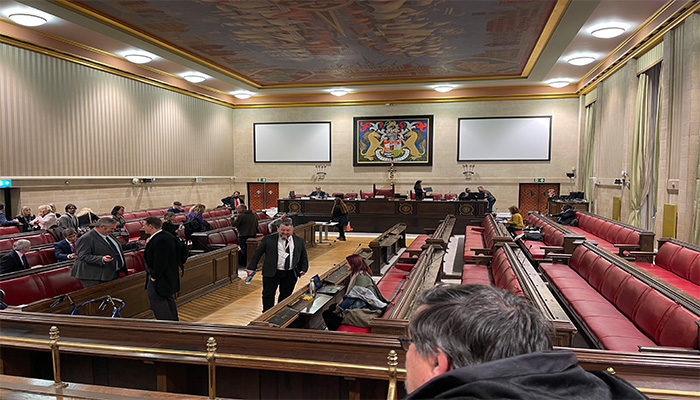
The proposal put forward passed unanimously at the full Council meeting on Tuesday 12th November, allowing for the council to start preparations for implementing the change.
A representative at Wessex Water was also in attendance at the meeting on Tuesday, pledging support to the Council’s motion and agreeing that things need to change.
‘We agree with you that more needs to be done to protect and improve our rivers and that storm overflows are unacceptable. On our part, we have put forward plans to our regulator seeking their approval for a £1.6 billion programme of improvements over the next 5 years.’
We spoke to Bristol University’s Sailing Society who use the local rivers in Bristol for their sailing practice. Development Officer Lily Swerdlow recognises that a change is needed to protect local waters.
‘Activities such as wild swimming and sailing are particularly popular in Bristol Harbour and allow those involved to benefit from exercise and cold water benefits as well as the opportunity to form strong relationships.’
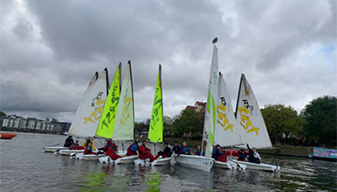
‘Dirty water can be detrimental to these sports, limiting those with weak immune systems or health anxiety from participating. This disproportionally affects the elderly, whose health undeniably benefits from cold water’
‘Clean rivers are so essential in cities, particularly where natural environments can be more difficult to access. It’s a vital escape for so many people across many different ages’
Cllr Coombes remains hopeful for the future of Bristol’s rivers. ‘Following the general election, there was a raising of the issue of sewage pollution in the public consciousness and so there is growing momentum behind action here.’