

Last night, Bristol City Council voted in favour of the School Organisation Strategy which recommends that schools plan for fewer students starting from the 2027/2028 academic year.
The strategy- informed by an investigation into birth rates, migration and future housing developments across the city- forecasts the continual decline of children being schooled in Bristol.
Councillor Christine Townsend explained that the strategy is not mandatory after last nights council meeting:
“We’re not in a position to say to an academy, ‘You’ve got three reception classes and you’ve got to reduce to two.’ Only a third of primary schools are still local authority-run. What we can do is lead – we have the data. We share it with multi-academy trusts so they can see what’s coming and plan their own intakes sensibly.”
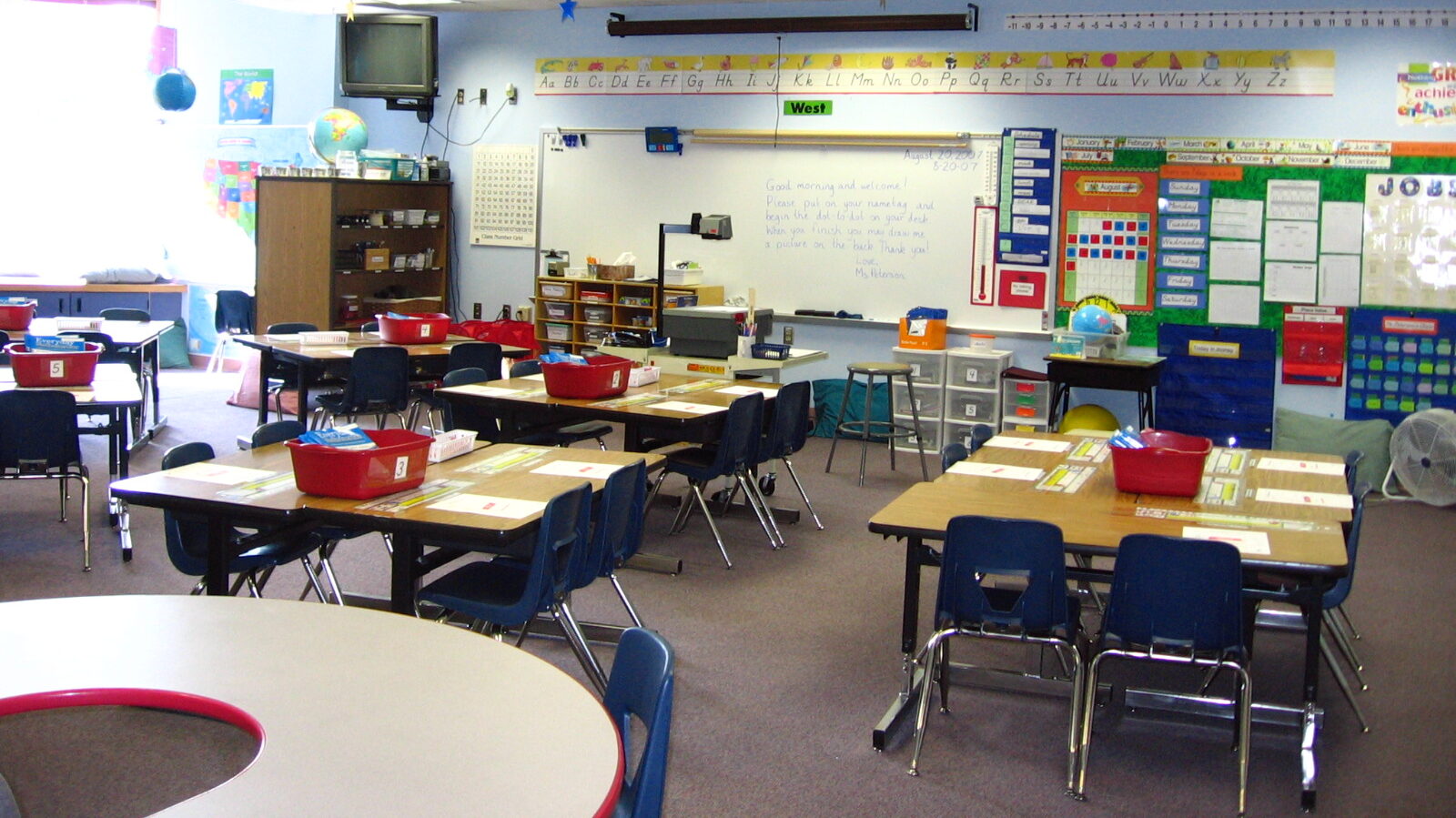
Though the planning is not recommended to come into action for another two years, the lack of children applying for school places has already been observed by those working in the sector:
“There’s less and less children in primary schools,” observed secondary school teacher, Natalia Cruz. “You can feel that, when we have open evenings, the management team feels a little bit nervous and we have to make as bigger effort to make sure we are attracting people to the schools.”
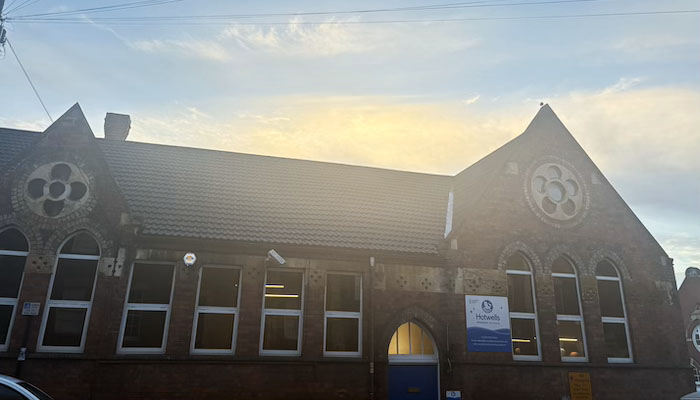
Earlier this month, a merger collapsed between Cathedral Schools Trust and independent school Hotwells Primary meaning it would be designated as a Cathedral Primary school that was sparked by a surplus of school places.
Cruz believes that these falling rates are emblematic of a wider societal issue: “It’s not about encouraging people to have children. People can do whatever they want, but think it is a sign that there is a crisis in society and it’s a sign that people are feeling insecure.”